| Aspect | Details |
|---|---|
| State | Odisha |
| Milestone | First state in India to plan a Chronic Kidney Disease (CKD) registry |
| Timeline | To be rolled out by March 31, 2026 |
| Objective | Systematic data collection and analysis on prevalence, causes, and progression of CKD |
| State Task Force | 12‑member task force headed by the Chief Secretary |
| Technical Team | 17‑member team including experts from AIIMS, ICMR, pollution control, geology, drinking water, and Panchayati Raj |
| Public Health Focus | CKD is a major non-communicable disease; registry to support early diagnosis and policy-based intervention |
| Data-Driven Planning | Registry data will aid in resource allocation, treatment planning, and preventive strategies |
| Hotspot Identification | Block-level surveys to locate CKD-affected regions for targeted healthcare action |
| Patient Monitoring | Registry will track demographics, comorbidities, and treatment outcomes of CKD patients |
| Trend Analysis | Data will help identify high-risk populations and progression patterns for effective intervention |
| Infrastructure Planning | Insights will guide the establishment of dialysis centers and kidney care facilities |
| Awareness Campaigns | Block-level data will enable targeted awareness and preventive programs in high-prevalence areas |
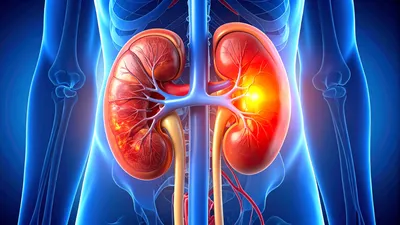
| CKD Definition | Progressive loss of kidney function, impairing waste filtration, fluid balance, and electrolyte maintenance |
| CKD Causes | Includes diabetes, high blood pressure, glomerulonephritis, and prolonged kidney infections |
| CKD Symptoms | Early stages often asymptomatic; later stages may cause fatigue, swelling, nausea, and decreased urine output |

Workflow
Login
Contact Counsellor